Press photos for musicians: what you need and how to ask for it
Landscape and portrait, live and posed, credited and in high resolution: the set of photos media, venues and festivals ask for.
 By Joan Subirats, founder of The Jazz Passport6 min read
In this article
When a venue announces your gig, when a festival prints its programme, when a paper prepares an interview, someone writes to ask for photos. They usually need them quickly, and they usually have a particular space to fill: a wide header, a tall poster, a narrow column. One beautiful photo will not fit all three. You need a set made for other people to use.
What your photos are for
Someone who has never met you will crop your press photo, set it beside a text and often print your name and a date across it. Your Instagram photos never have to do that job. Here, being useful counts for more than being spectacular. The photo should show who you are, what you play and what your project feels like. It should also still work when it is cropped, shrunk or covered with type.
Picture where it goes next: the listings on a website, the header of a news story, a festival's printed programme, the poster on a venue's door, the thumbnail of an interview on social media. Each of those has its own shape.
The set you will be asked for
A complete set of press photos
- At least one landscape and one portrait photo
- Live photos and posed portraits
- For a band: one of the whole group and one of each member
- High resolution for print, and a lighter version for the web
- One or two photos with room around them for a headline
- Who took each photo, and which uses are allowed
Landscape and portrait
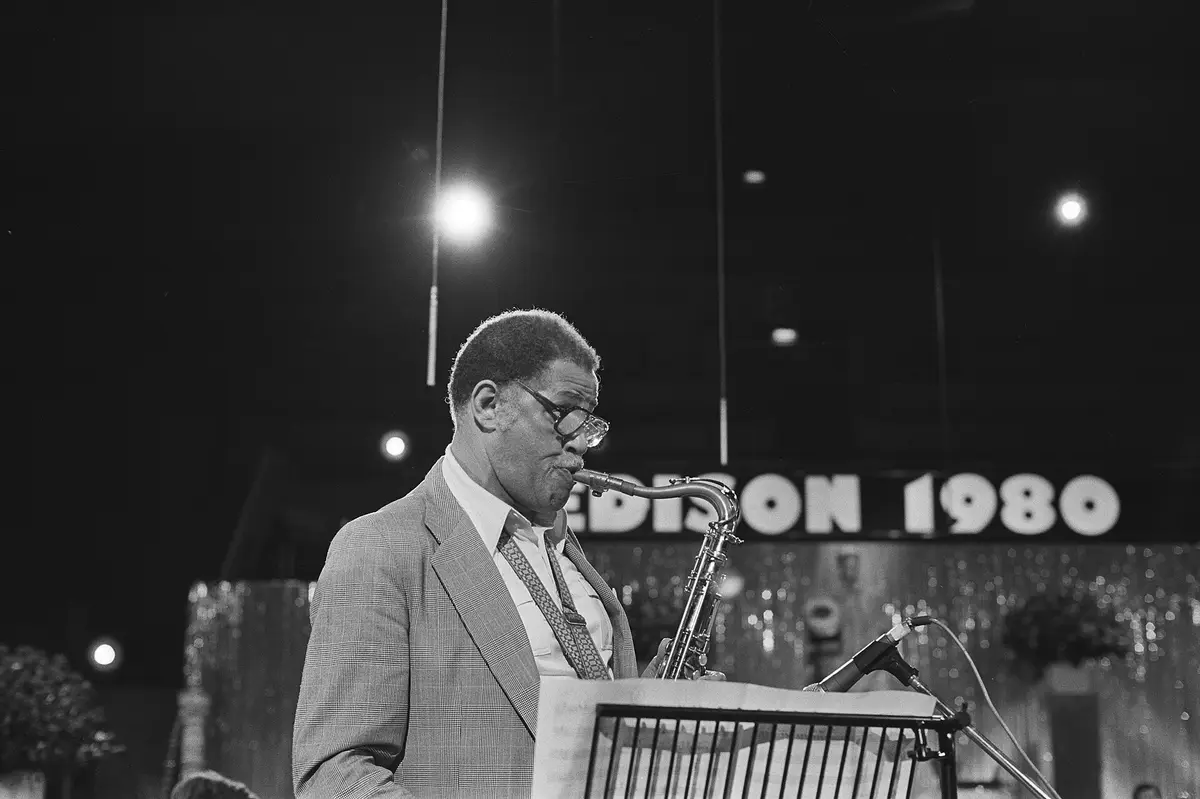
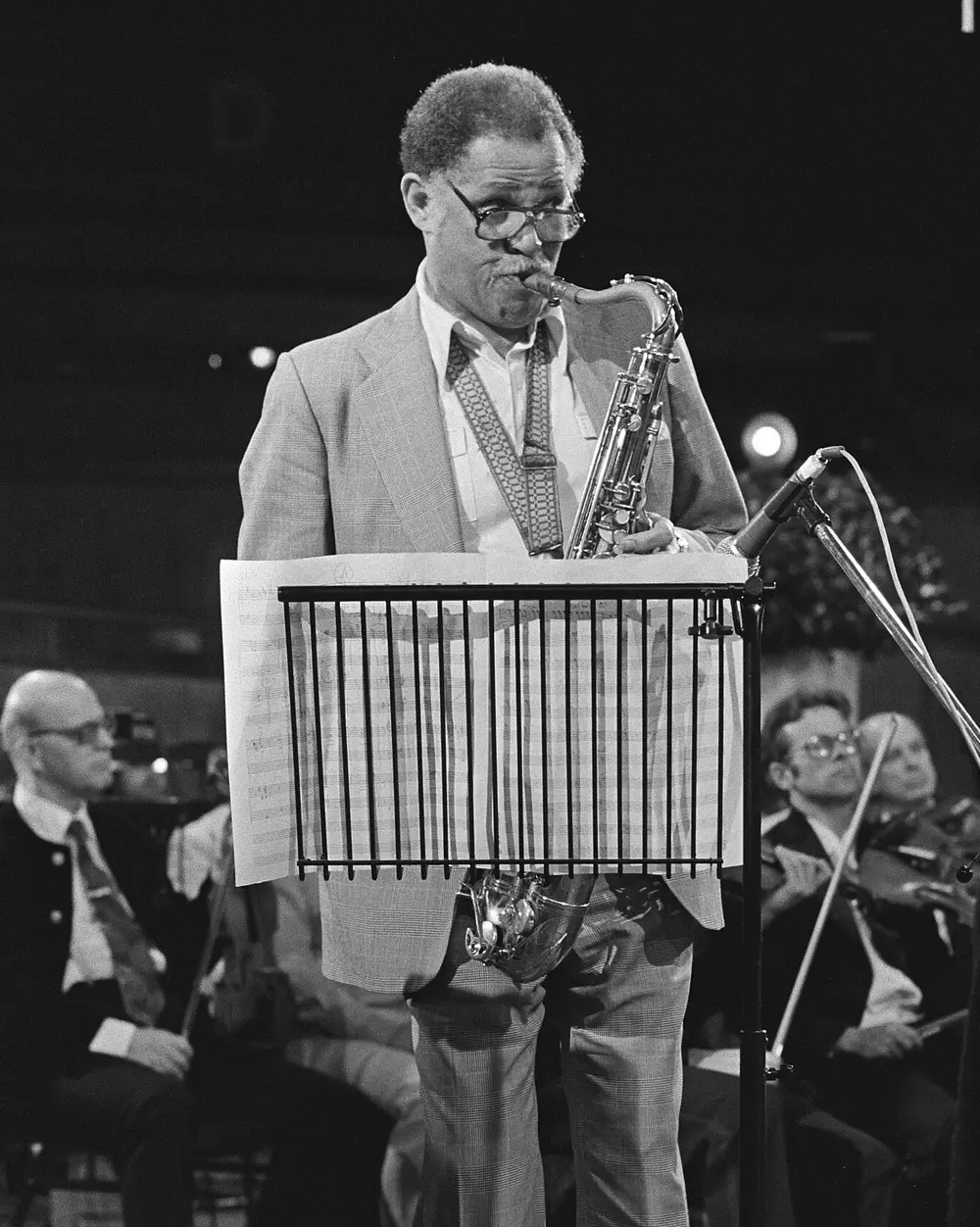
Websites, headers and slides are landscape. Posters, printed programmes and social media stories are portrait. If you give only one orientation, someone will crop the other one themselves, and they will not always cut where you would.
The simple fix is to ask your photographer to shoot every good frame both ways, in the same moment.
Live and posed
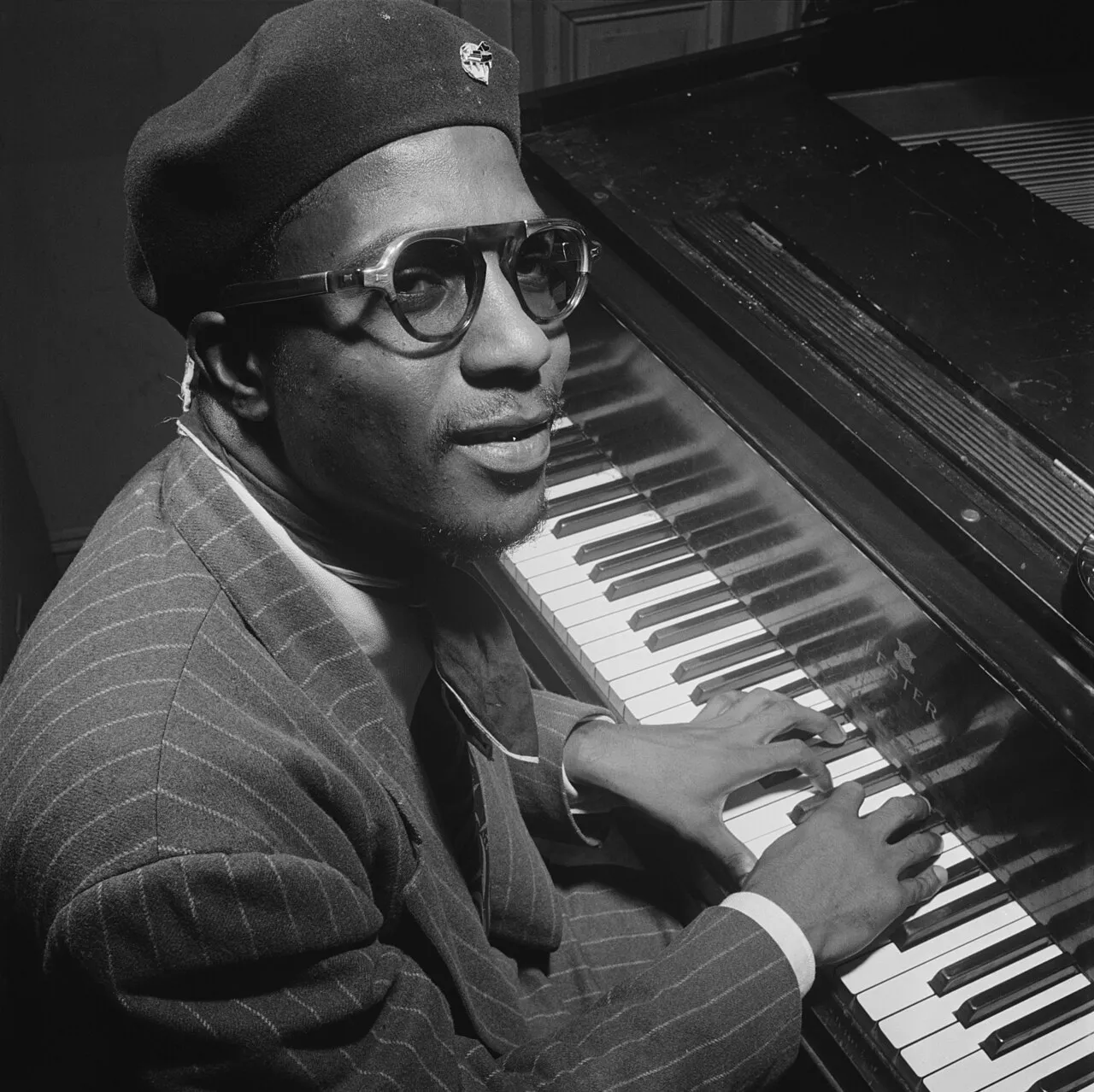
A live photo shows what your concert is like: the stage, the line-up, the energy. Venues and festivals need it most, because the concert is what they are selling. A portrait shows who you are, with a face people can recognise, careful light and a clean background. Magazines usually ask for that one to run with an interview.
You need both. In the portrait, keep the instrument in shot. It lets a stranger place you in a second.
Group and individual
If you play in a band, a festival programme can use the group shot. An interview with the pianist needs a photo of the pianist. With one photo of each member, nobody has to cut a bandmate out of the group shot and leave someone else's shoulder at the edge of the frame.
High resolution, and room for text
Print usually asks for 300 dots per inch at the printed size. In practice that means files several thousand pixels on the long side. A lighter version is enough for the web. Keep both, and label which is which.
Leave some photos with empty space too: a wall, some sky or a bare stage to one side. That gives a designer somewhere to put your name and the date without covering a face.
How to brief a photographer
A good shoot starts before anyone picks up a camera. The clearer the brief, the fewer photos end up unused.
- Write down what the photos are for: press, posters, the website, a new record. Each use needs something different.
- Show examples of photos you like and of photos you don't.
- Ask for a concrete list: how many landscape and how many portrait, live or posed, group or individual, with room for text.
- Agree in writing how many edited photos you get, by when, in what format and at what resolution.
- Agree as well which uses the fee covers, for how long, and how the credit must read.
There is no single rate. It depends on the city, the photographer's experience and what is included. Ask for a fixed quote that states all of the above. When you compare quotes, look at what each one includes as well as the figure. On a tight budget, a few good photos are worth more than many average ones. And if someone takes photos at one of your gigs, ask before you use them and agree how to credit them.
Credits and rights
The credit always reads the same way, for example "Photo: first name and surname". It goes in three places: in the file name or the file's details, on the page where people download the photos, and in the caption when the photo is published. Your photographer will check.
Naming the files
Whoever downloads your photos ends up with a folder of files from ten artists. A clear name keeps yours from getting lost in it.
Easy to find
- your-name-2026-live-landscape.jpg
- your-name-2026-portrait-vertical.jpg
- The credit in the file name or in the file's details
- The whole set behind one link or one page
Easy to lose
- IMG_4821.jpg
- photo-final-FINAL-2.jpg
- A zip file with no word on what is inside
- Photos sent one by one over a messaging app
Add the year. Photos age, and the year tells a booker something useful: whether the line-up in the photo is the one that will walk on stage.
The description: the text nobody sees
Every photo on your site should have a description, known technically as alt text. Screen readers read it aloud to people who cannot see the image. Search engines use it to understand the photo. It also appears when the image fails to load.
Write what is in the frame in one sentence: who, doing what, where. "Quartet live: the saxophonist in front, bass and drums behind" tells far more than "concert photo". Don't open with "image of", and don't pack the sentence with keywords.
In Pages
When you upload a photo to Pages, it is stored in several sizes. Each visitor gets the version their browser reads best, with a blurred preview while it loads. On the hero photo you set a focus point, so neither the phone crop nor the wide-screen crop cuts your face out.
The description you write for each photo in Media becomes its alt text on the site, and Health flags any gallery photo without one.
Downloadable high-resolution photos belong in your press kit: see how to make a press kit people read. To see what someone who books looks at first, read what a booker looks for on your site.
Your site, without the website work. Ask for your invitation.
Pages is the site and the Studio for musicians by The Jazz Passport. The technical side is done; you bring the music.