Demo · Thelonious Monk
Examples
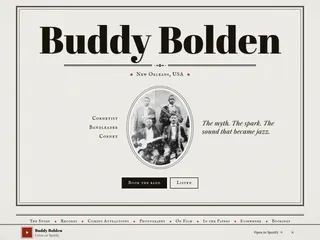
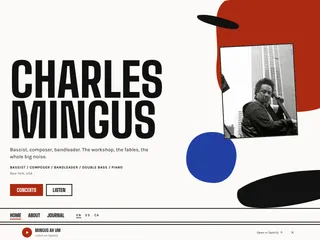
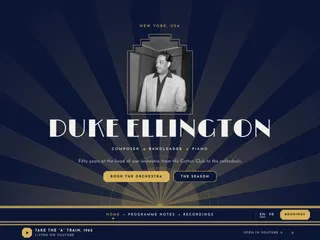
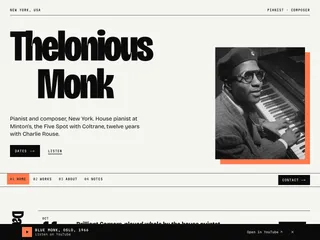
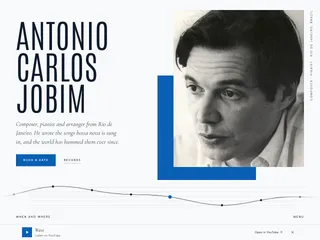
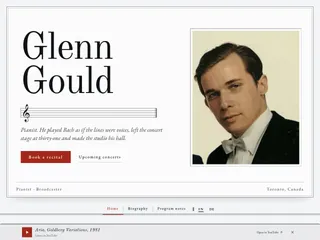
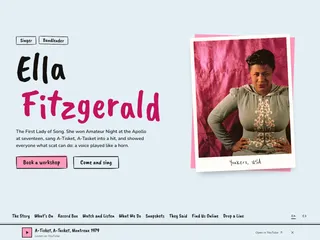
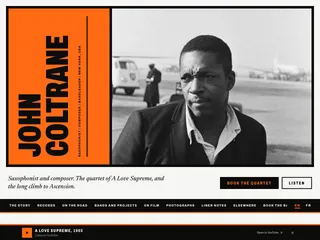
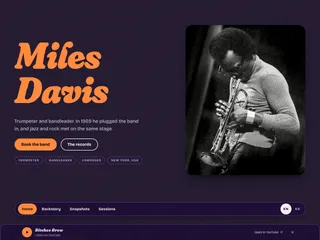
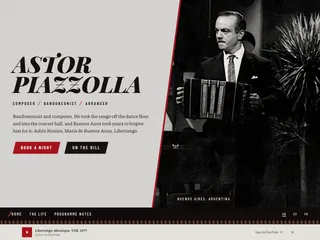
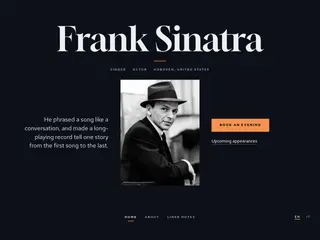
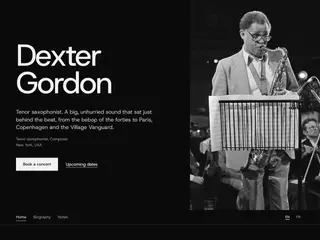
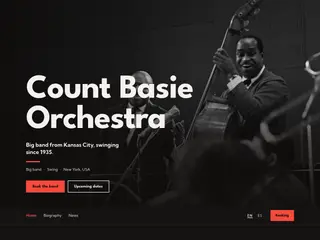
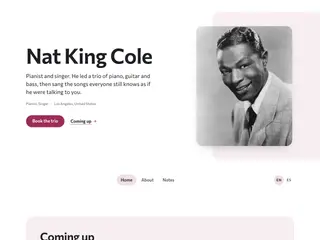
Each theme has a site dedicated to the musician it is named after.


Pages
What a visitor can open on this site.
Theme
The world the site is drawn in. The content stays the same.
Day or night
The ground under everything: it changes the site the most.
Style
A colour and a typography made for each other.
Colour
In place of the style's accent, in every theme. Deeper by day, softer by night.
The theme's own
Cheek to CheekGeorgiaSummertimeApril in ParisMoonglowBluesetteSkylarkStardustMistyLullabyTenderlyEmbraceableHot HouseSalt PeanutsMantecaAnthropologyGiant StepsEpistrophyKo-KoA TrainBlue RondoGroovin' HighBirdlandRuby My DearSunny SideCaravanSugar HillBourbon StreetTobacco RoadTenor MadnessAutumn LeavesHoneysuckle RoseMoanin'St. Louis BluesMahogany HallHarlem NocturneSidewinderSpring Is HereGreen ChimneysGreen OnionsSweet BasilWillowJade VisionsGreen Dolphin StreetVermontThe PeacocksDolphin DanceCool Struttin'Blue in GreenBlue BossaFlamenco SketchesBlue SkiesAll BluesBlues for AliceSo WhatKind of BlueBlue TrainBlue LouRound MidnightBlue MonkIvorySepia PanoramaBlack and TanBlack CoffeeSmokeStormy WeatherMood IndigoMidnight SunNocturneMoody's MoodLush LifeDark Eyes
Hero
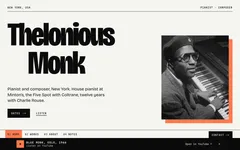
How the page opens.
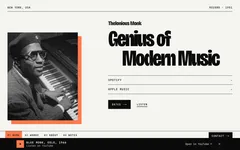
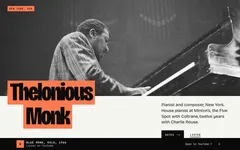
Skip to content
Notes
Two notes a half step apart
The minor second, the whole-tone run and the gap in the middle of a phrase: three things you hear on almost every Monk record.
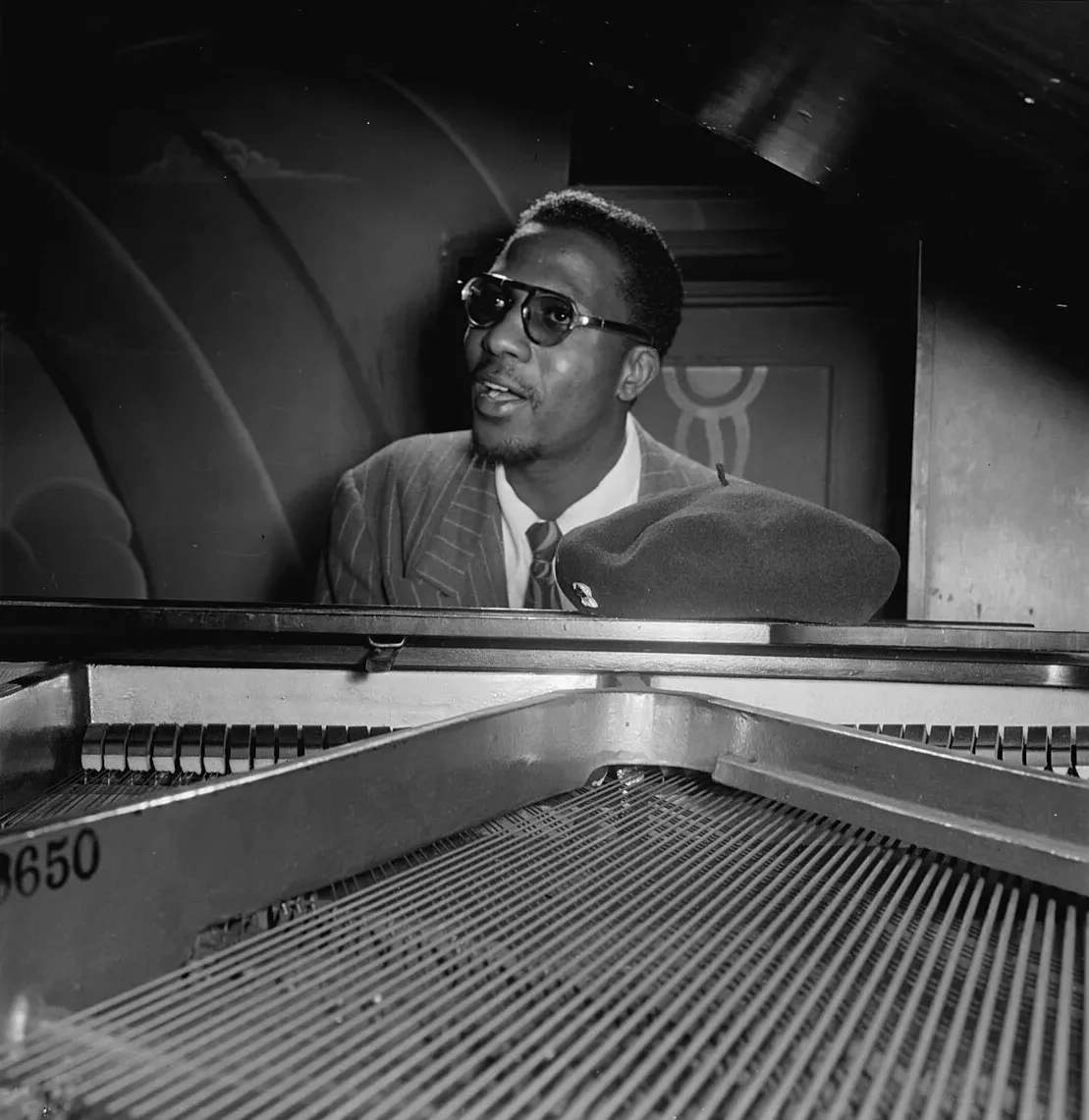
The Five Spot, 1957
His first long New York engagement in six years, with John Coltrane on tenor.
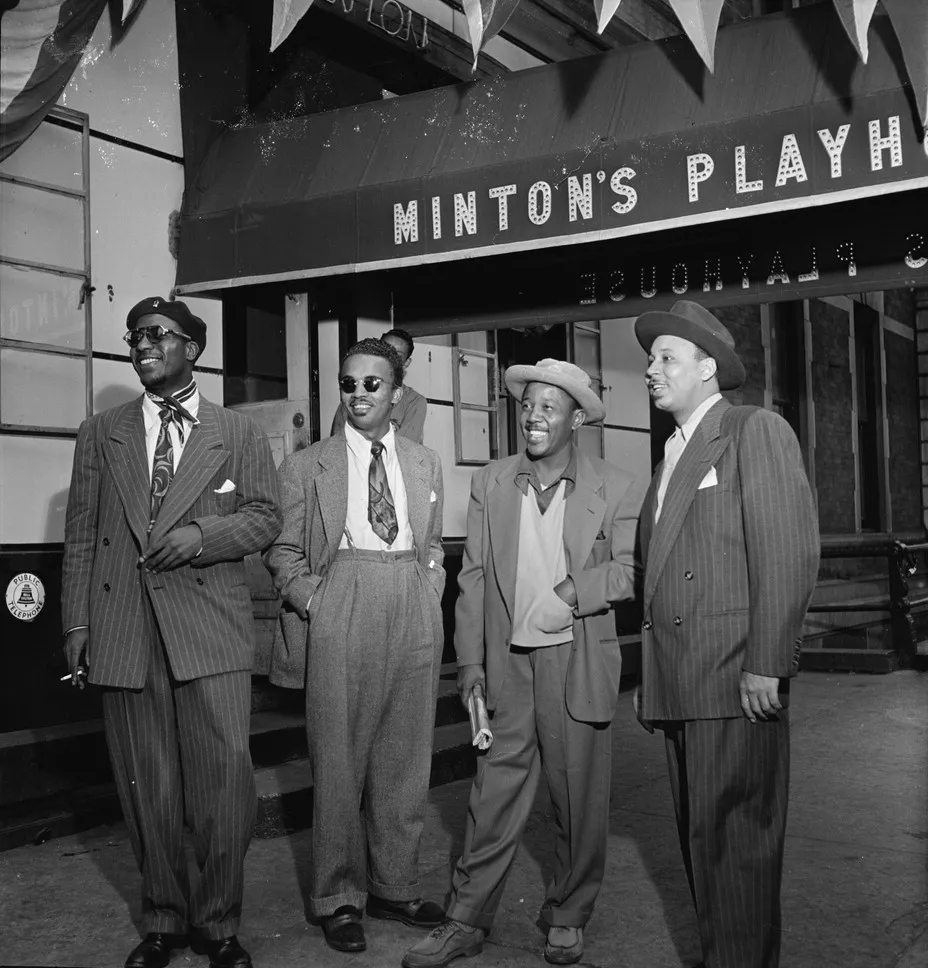
Minton's, September 1947
The photographs William P. Gottlieb took at Minton's Playhouse, where Monk had been the house pianist.